
Performance has a final movement. Join it.
The carbohydrate revolution has begun.
- Train. Recover. Repeat.
- 60g carbohydrate
- 31g protein
- 650mg sodium
- No artificial sweetener
- First run 2027
Shop all
€4.50 a can. First run 2027.
-
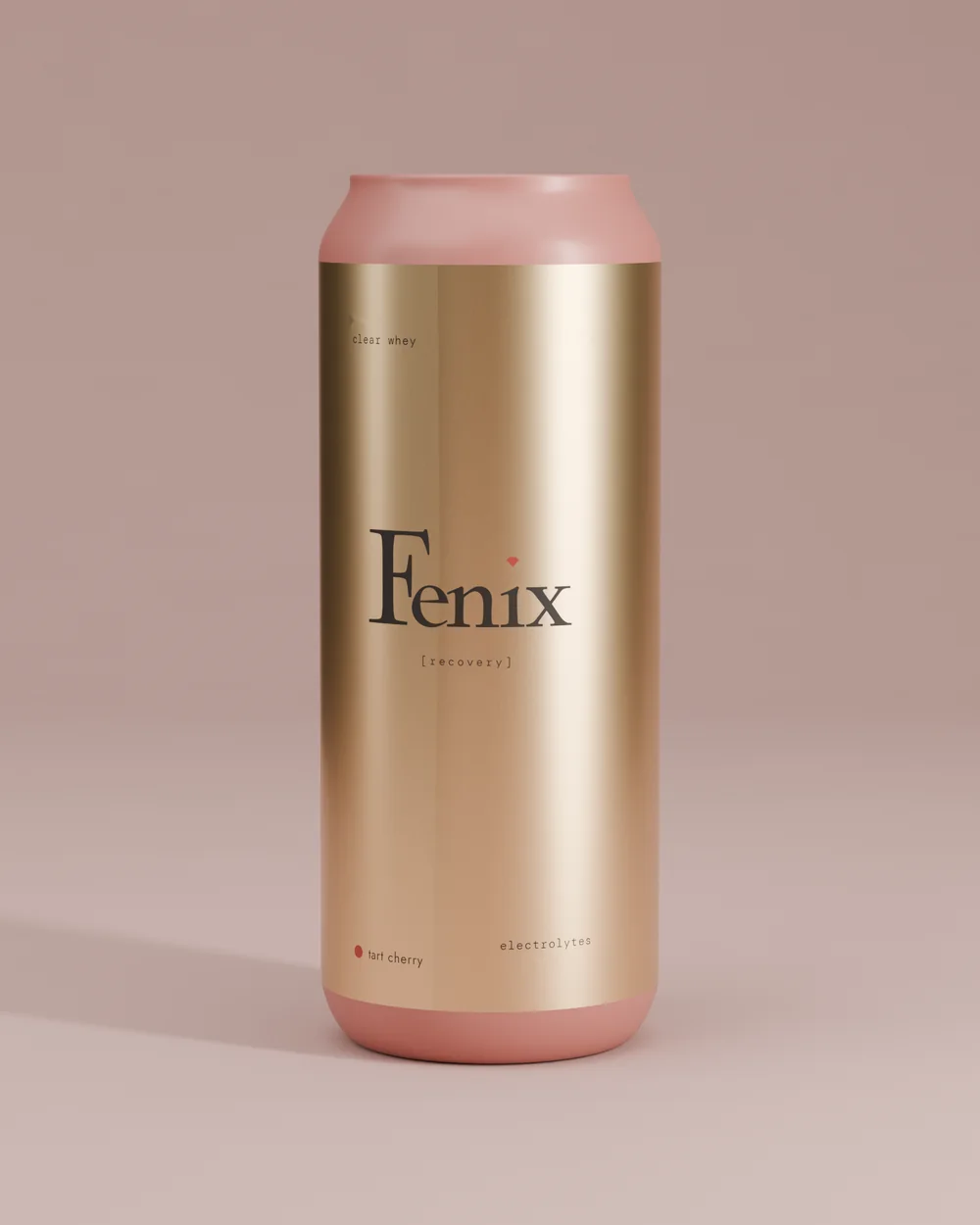
Tart cherry
Dark fruit, sharp at the edges.
€4.50
-
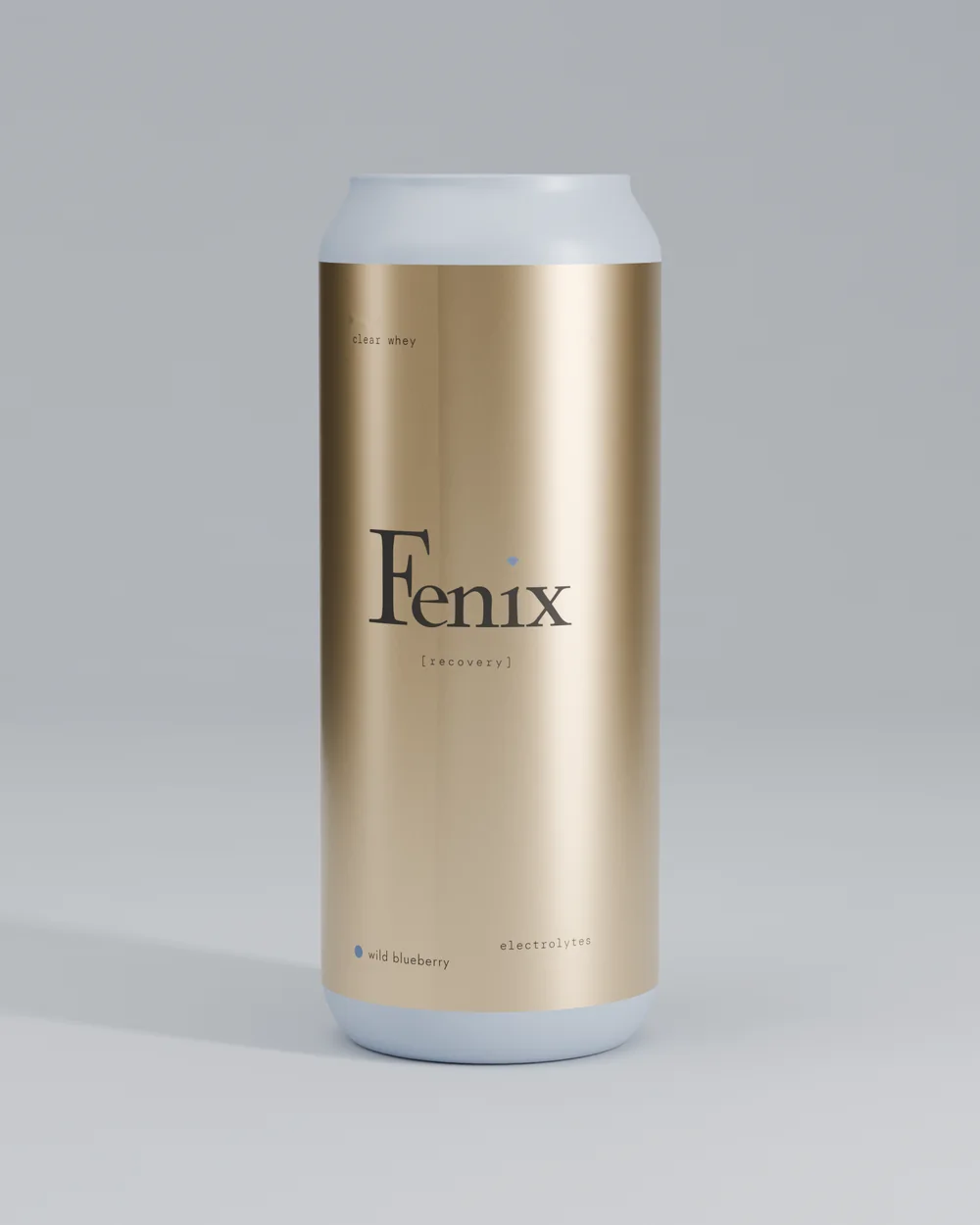
Wild blueberry
Small wild berries, more sour than sweet.
€4.50
-
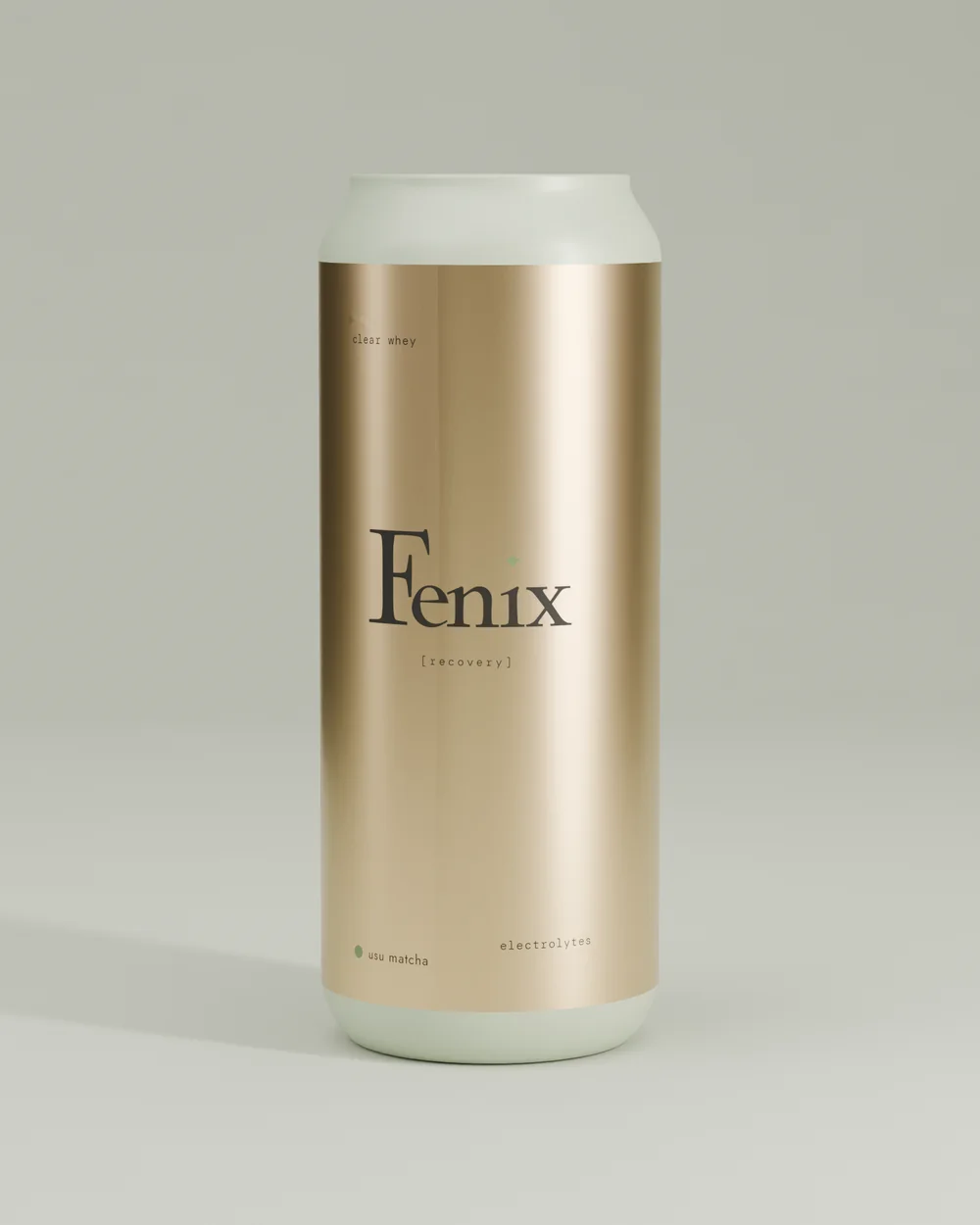
Usu matcha
Grassy and a little bitter. Contains caffeine.
€4.50
Built on science.
Since 1967, we have known that muscles work longer on carbohydrate.
- 1967
Men who began a hard ride with the most carbohydrate stored in their muscles rode the longest. Bergström et al.
- 1988
Cyclists who drank carbohydrate straight after a hard ride stored muscle glycogen faster than when they waited two hours. Ivy et al.
After three weeks of hard training on a ketogenic diet, elite race walkers in a 2017 study were no faster.
- ACSM’s daily carbohydrate when training 1–3 hours a day
- 6–10 g/kg
In the first study of Hyrox, 11 recreational athletes spent most of a simulated race at hard or very hard intensity.
The faster finishers had higher maximal oxygen uptake and did more endurance training.
- ACSM’s hourly carbohydrate for 4 hours after training, when sessions are under 8 hours apart
- 1.0–1.2 g/kg/h
Across 49 trials with 1,863 people, those given extra protein gained more muscle from resistance training.
The gains stopped rising once total protein passed about 1.6 g/kg a day.
- ISSN’s daily protein for most people who exercise
- 1.4–2.0 g/kg
Recovery, done correctly.
Sixty grams of carbohydrate and 31 of protein, in one still can. Nothing to scoop or shake.
The manifestoQuestions
Why so much carbohydrate?
For a 70kg athlete training 1–3 hours a day, the American College of Sports Medicine advises 420–700g of carbohydrate daily. Each can has 60g.
How much sugar is in it?
About 22g a can, from the 60g of carbohydrate, which is two parts maltodextrin to one of fructose.
What else is in it?
650mg sodium, with potassium, magnesium, calcium, zinc, selenium, iodine and vitamins B, C, D and E. It has no artificial sweetener and no gums.
How many calories?
The lab has not measured them yet, and we will print the figure when it has.
Is there caffeine?
Only in usu matcha, which gets it from green tea.
Why no creatine?
Creatine breaks down in acidic drinks, so it would not last in the can.
Is it a meal?
No. Drink it after training, then eat a proper meal.
When can I buy it?
The first run is planned for 2027, and everyone on the list will be emailed the date.